

Fire Pit Burns & Explosions

Board-Certified Personal Injury Trial Lawyer

$100,000,000's Recovered for Clients

Children and Bystander Injuries from Tabletop Fire Pit Explosions

Board-Certified Trial Lawyer – David P. Willis | National Fire Pot & Explosion Injury Lawsuits

Tabletop and “mini” fire pits are marketed as decorative, safe, and family-friendly. But these small alcohol- or ethanol-fueled devices have caused devastating explosions that often burn the very people standing nearby—especially children and guests who never even touched the product. At FirePitLawsuits.com, we investigate fire and explosions cases nationwide that have left adults, children and bystanders with severe, life-changing burns, scars and disfiguring injuries.

Why Children and Bystanders Are Often the Ones Injured

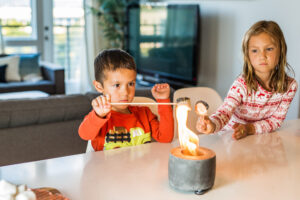
Unsupervised kids near open fire pit roasting marshmallows, emphasizing burn injury and fire safety risks

The Proximity Problem

Unlike outdoor gas fire pits or built-in patio fireplaces, tabletop fire pit features are designed to sit directly on tables, picnic benches, and counters. Flames burn at face and chest height when people are seated nearby. During meals, parties, or family gatherings, children are naturally drawn to the small, flickering flame—leaning in for a closer look or reaching out in curiosity.

Because ethanol and isopropyl alcohol flames are often nearly invisible in daylight, users frequently believe the fire is out when it isn’t. When someone pours more fuel into a warm or active unit, the vapors can ignite instantly. A flash fire or flame jetting eruption sends a stream of flaming liquid several feet through the air—onto anyone sitting close.

This combination of invisible fire and close seating is why children and bystanders are burned more often than the person actually handling the product.
Common Scenarios Leading to Child and Bystander Burns

Refueling While Hot or “Appearing” Extinguished

The most common cause of tabletop fire pit explosions is refueling while the flame is still active or residual heat remains. Vapors ignite, flames shoot back into the bottle, and burning liquid sprays outward—often covering children or nearby guests.

Children Leaning or Standing Too Close

Many victims are small children seated beside parents or standing near tables. Because the flame can’t be seen clearly, they may reach toward it, lean over it, or even roast marshmallows. When an explosion occurs, the upper body, face, and hands are most severely burned.

Fuel Containers Without Flame Arrestors

Most recalled ethanol fire pits lacked flame arrestors—simple mesh devices that prevent fire from traveling into the bottle. Without them, vapors turn the container into a handheld flamethrower, projecting burning alcohol outward when ignited.

Imported or Unregulated Fuels

Cheap, imported “bio-ethanol” or “eco” fuels sold online often vaporize faster and lack clear warnings. Many are repackaged or mislabeled, giving users false confidence in their safety.

Real-World Examples of Tragic Mini Fire Pit Injuries

Family Gathering Explosion

A Texas father attempted to refill a tabletop fire bowl that “looked” extinguished. The flame ignited vapors, causing a jet of fire to erupt across the table. His eight-year-old daughter suffered third-degree burns to her face, chest, and hands.

Birthday Celebration Accident

At a backyard party, teenagers used a small ethanol burner for ambiance. When one added fuel, the container exploded, engulfing nearby friends in burning liquid. None of them had touched the device before it detonated.

Restaurant Patio Incident

A decorative tabletop unit on a restaurant table erupted when refueled by staff. Diners sitting nearby suffered serious burns as flaming alcohol spread across the tablecloth.

These are not isolated accidents—they are the predictable result of unsafe design and inadequate warnings.

Invisible Flames with Fire Pits and False Sense of Safety

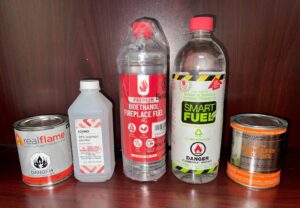
Different alcohol-based fuels shown side by side—rubbing alcohol, ethanol, bioethanol, and gel fuel cans—used in tabletop fire pitsWhy Alcohol Flames Are So Deceptive

Ethanol and isopropyl alcohol burn with a pale blue or invisible flame. In daylight or indoor lighting, the flame can be impossible to see. Users think it’s out and begin refueling, unaware that a small residual flame remains.

Warnings Often Ignored or Missing

Manufacturers know these dangers. Yet many tabletop fire pits lack clear, visible warnings or adequate instructions. Few fire pits have flame arrestors or other safety mechanisms that could prevent vapor ignition.

The U.S. Consumer Product Safety Commission (CPSC) and Health Canada have both issued safety alerts and product recalls involving tabletop ethanol and alcohol fire pits. Still, many similar designs remain on the market for sale new and used.
The Physical and Emotional Toll on Families

Burn injuries are among the most painful and traumatic wounds imaginable. Children who survive these explosions face months of hospitalization, repeated surgeries, and long-term rehabilitation. Scarring and disfigurement are common, often requiring skin grafts and cosmetic reconstruction.

The psychological trauma is equally devastating. Many young victims develop anxiety or post-traumatic stress, and parents experience guilt for years after the incident. In many cases, family members who rushed in to help also sustained burns while trying to extinguish flames or carry a child to safety.

Tabletop Fire Pots, Fire Pits, Products and Brands Linked to Bystander and Child Injuries

Investigations and recalls have identified multiple tabletop, mini fire pits, and ethanol-burning fire pits many sold online and through eBay, Amazon and Craigslist. Those in the news that have been associated with flame jetting explosions or burns, include:

Some of these products have been recalled; others remain for sale under new names.

Legal Responsibility and Product Defects in Fire Pit Cases

Filing a fire pit injury lawsuit with a Board-Certified lawyer after burns or explosion injuries

Manufacturers, importers, and retailers that design or sell unsafe tabletop fire pits can be held legally accountable when their products explode or cause burn injuries. Under product liability law, every company in the distribution chain has a duty to design reasonably safe products, conduct proper testing, and include clear warnings about the risks of refueling, invisible flames, and liquid fuels.

When they fail to meet these obligations, victims — including children and bystanders burned in tabletop fire pit explosions — have the right to pursue compensation through a tabletop fire pit injury lawsuit. These cases often expose patterns of negligence, such as missing flame arrestors, mislabeled fuel containers, or instructions that dangerously understate explosion risks.

Filing a claim can seem overwhelming, especially after a severe burn or hospitalization. Our firm guides families step by step through how to file a fire pit lawsuit — from preserving evidence and documenting injuries to proving that a defective design or inadequate warning directly caused the explosion.
Preserving Evidence After a Fire Pit Explosion

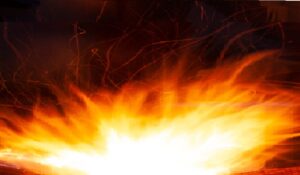
ethanol or bioethanol fuel poured on a fire pit causes massive explosion or fire jetting injures and burnsEvidence preservation is critical in proving how and why a tabletop fire pit exploded. Every component of the incident—from the damaged fire pit to the empty fuel bottle—can reveal a chain of design or manufacturing errors.

Victims and families should secure and store:

Never return, repair, or discard these items. A fire investigator or product engineer can examine them to prove whether the product lacked a flame arrestor, proper venting, or sufficient warnings—key elements in establishing liability.

DO NOT RETURN any product or evidence to the manufacturer or some investigator they might send, until you have consulted with a lawyer. If the evidence gets “lost”, altered or destroyed your case and the proof needed will suffer greatly.

How Our Fire Pit Case Investigations Work

Attorney David P. Willis, Board-Certified in Personal Injury Trial Law by the Texas Board of Legal Specialization, leads intense investigations into ethanol and fuel-fire explosions. With more than four decades of complex litigation experience and hundreds of millions recovered for clients, he has built a reputation for holding negligent manufacturers accountable.

Our team partners with accident re-constructionists, forensic engineers, chemists, and burn specialists to reconstruct each event, identify product defects, and uncover what the manufacturer knew—and failed to warn about. Many of these tabletop fire pit injuries could have been prevented through simple, low-cost safety measures such as flame arrestors or self-extinguishing fuel designs and better warnings.

If your child or family member was injured in a tabletop fire pit explosion, contact us before evidence is lost or altered. Early investigation can make all the difference in proving your case.

Contact a Fire Pit Burn Injury Lawyer

Map of the United States showing nationwide legal help for fire pit explosion and burn injury victimsIf a tabletop fire pit explosion injured your child, friend, or family member, legal help is available. These cases often involve defective product design, invisible flames, and inadequate warnings. Victims may recover compensation for medical care, surgeries, pain and suffering, disfigurement, and long-term emotional trauma.

Attorney David P. Willis is a Board-Certified Personal Injury Trial Lawyer licensed in Texas and New York, representing burn and injury victims nationwide through association with local counsel in other states.

Call 1-800-447-FIRE or request a Free Case Review today to learn your options. We work on a contingency fee basis — meaning you pay nothing unless we win your case

GET IN TOUCH

CALL 24/7

GET A FREE CASE REVIEW