
Reviews 

A Hidden Fire Hazard on Patios and Backyards
Outdoor patio heaters are marketed as safe, convenient ways to keep gatherings warm — yet dozens of people each year suffer severe burns or even fatal injuries when these devices fail. Propane leaks, defective valves, or unstable bases can turn a relaxing evening into a flash fire within seconds.

Attorney David P. Willis, a Board-Certified Personal Injury Trial Lawyer licensed in Texas and New York and a former attorney for the Supreme Court of Texas, represents burn victims nationwide in complex product liability cases. His firm investigates outdoor heater explosions, propane and butane explosions, defective products, design defects, and fuel system failures that cause catastrophic injuries.
Free Case Review — No Fees Unless We Win
Call 1-800-883-9858 or submit a confidential form to learn your legal rights today.
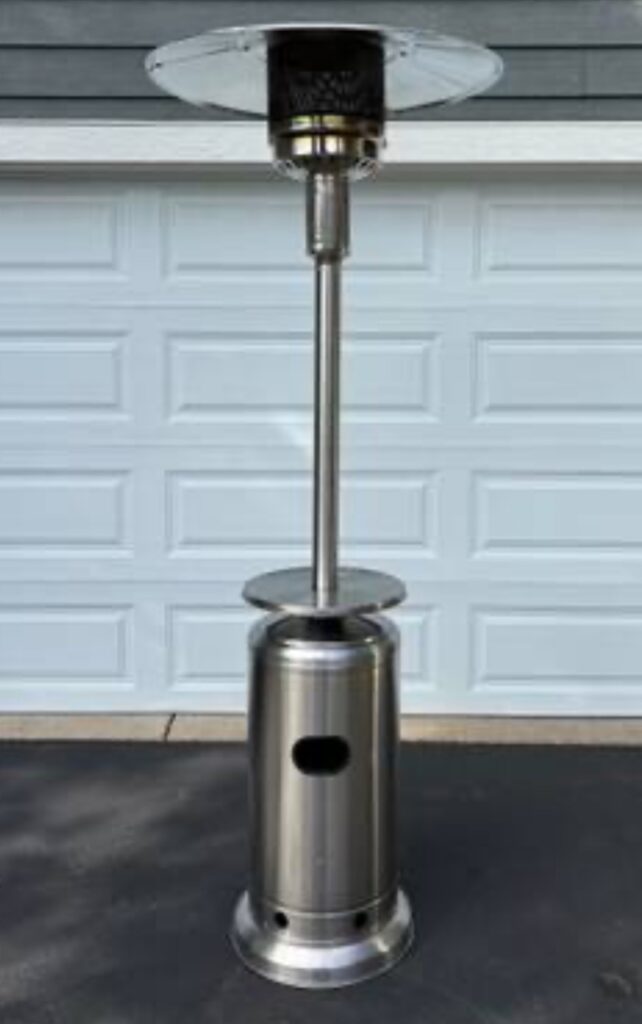
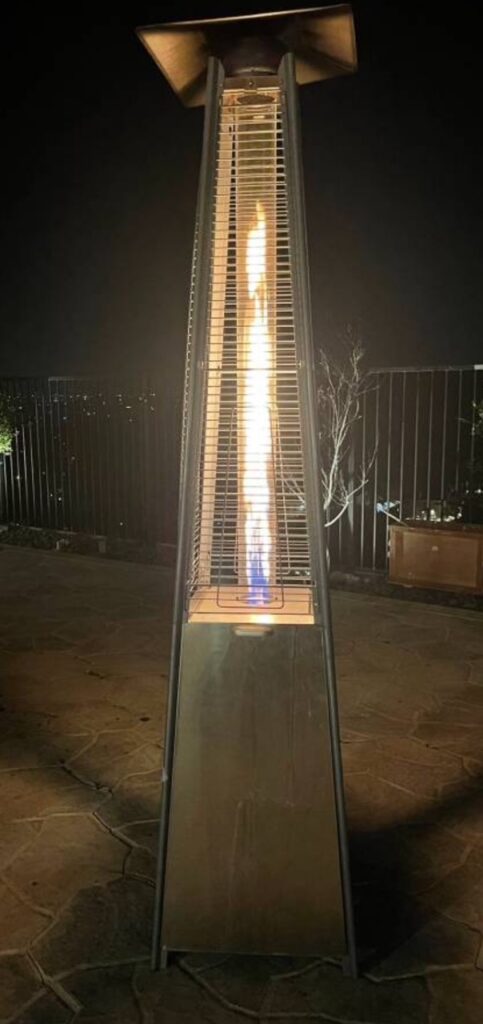
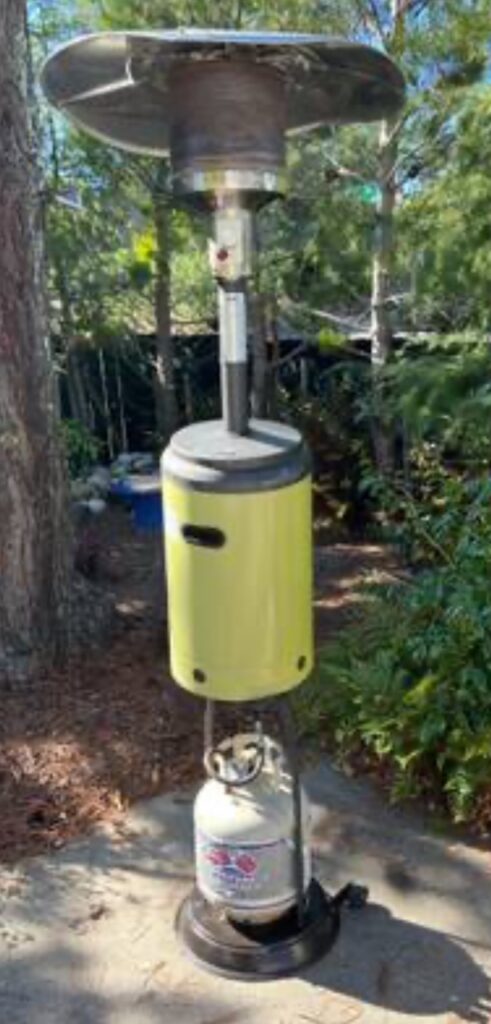
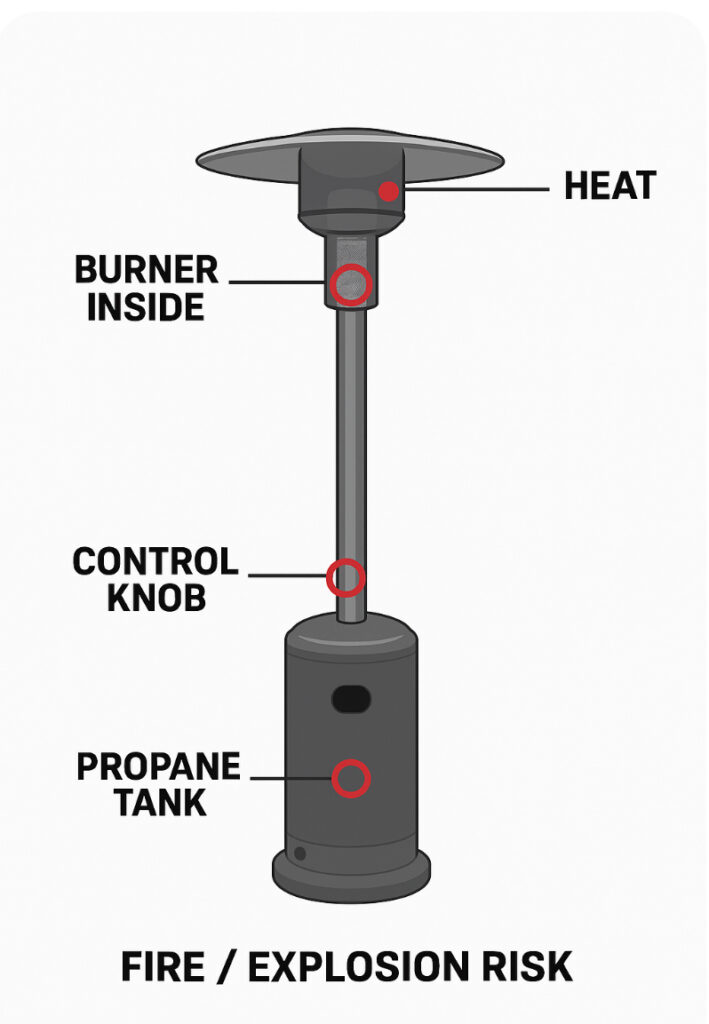
Outdoor heaters work by pressurizing propane and releasing it through a burner that radiates heat. When any component fails — or when the unit is used near flammable materials — the results can be disastrous. Types include pyramid and regular free standing patio heaters. Each with its own dangers and defects.
1. Heater Tip-Overs and Contact Burns
Freestanding patio heaters are tall and narrow, making them vulnerable to tipping — especially on uneven surfaces, decks, or in windy conditions. When a heater falls:
These events frequently cause full-thickness burns to the face, hands, and torso.
2.Fuel Leaks and Flash Fires
Cracked hoses, degraded O-rings, loose regulators, or defective valves can allow propane to escape unnoticed. Because propane is heavier than air, it collects near the ground and ignites instantly when exposed to a spark, heating element, or pilot flame.
Flash fires often engulf anyone standing nearby within seconds
3. Improper Refilling or Tank Handling
Common causes include:
When escaping gas ignites near an operating burner, the explosion may be strong enough to scatter debris and cause deep third-degree burn
4. Blocked Ventilation and Enclosed Use
Outdoor heaters are never safe for use under:
Improper placement can ignite overhead materials or create carbon monoxide buildup.
5. Defective or Poorly Designed Components
Many heaters contain preventable design hazards, such as:
These design oversights often create clear grounds for product liability claims
Several parties may share responsibility for an outdoor heater explosion or burn injury:
A proper investigation determines whether the incident resulted from design defects, manufacturing errors, improper maintenance, or negligent operation. Preserving the heater and propane tank is essential to proving liability.

Outdoor heaters can exceed 1,000°F, and when flash fires occur, victims often suffer:
Medical care may involve:
These injuries are life-altering and often prevent victims from returning to work or normal daily activity.

Our firm conducts independent investigations into propane explosions and outdoor heater malfunctions by:
Proving a heater was unreasonably dangerous or lacked proper warnings can justify a product liability lawsuit seeking compensation for:
The same fuel and design flaws that cause outdoor heater explosions also appear in tabletop fire pits and alcohol-burning décor. Invisible flames, fuel flashback ignition, and poor stability are leading causes of these injuries.
For more on these related hazards, visit:
Get immediate medical care
Burns progress quickly and require specialized treatment.
Preserve the heater, propane tank, and all components
Do not return them to the manufacturer.
Do not repair or discard anything
These items are critical evidence in your case.
Photograph the scene
Include debris, burn patterns, labels, hoses, valves, and any damaged property.
Save all receipts, assembly instructions, and safety manuals
Speak with an experienced product liability lawyer before talking to insurers
Manufacturers often attempt early contact to limit their liability.
Yes. Propane patio heaters — sometimes labeled as outdoor gas heaters or LP gas radiant heaters — all use liquefied propane (LPG) to produce heat. Whether called “tower,” “mushroom,” or “pyramid” style, they share the same risks: tip-over fires, leaking valves, and flash ignition when vapors collect near the ground.
Defects in the regulator valve or propane hose can cause leaks that ignite unexpectedly. Many freestanding propane heaters have exposed flames or open burners, and when wind shifts or debris blocks ventilation, pressure can build inside the gas line, resulting in a sudden flash fire or heater explosion.
Recalls have involved models sold under brands like DeWalt, Hampton Bay, Fire Sense, AZ Patio Heaters, and Mr. Heater. Problems include fuel leaks, overheating, or defective tip-over shut-off switches. The U.S. Consumer Product Safety Commission (CPSC) regularly issues recall bulletins for LP gas and infrared patio heaters that pose burn or explosion risks.
These heaters are tall and narrow, with most of their weight concentrated at the top. A gust of wind or uneven ground can make a tower-style heater unstable. If the base isn’t properly secured or the safety tilt switch fails, the heater can fall, spilling propane and igniting surrounding materials — a known cause of restaurant patio heater fires.
No. Portable propane heaters must only be used in open air. When placed under tents, canopies, or near walls, the heat and carbon monoxide buildup can ignite flammable fabric or suffocate occupants. Many event tent heater fires and backyard canopy burns stem from improper indoor or enclosed use.
They work the same way but use different terms. Infrared heaters emit radiant energy that warms objects and people directly, while radiant outdoor heaters describe the same function in broader terms. Both types can reach dangerous surface temperatures and cause contact burns if people brush against the dome or tube.
Yes. A propane tank fire usually begins when gas escaping from a valve or connection ignites outside the tank. A heater explosion occurs when gas builds up inside a malfunctioning burner or enclosure before igniting. Both can produce high-pressure blasts and third-degree burns within seconds.
Absolutely. Businesses that use outdoor gas heaters have a duty to maintain them safely and train staff in their operation. Many lawsuits involve restaurant patio heaters placed too close to guests, flammable decorations, or umbrellas — all of which can cause scald injuries or flash fires.
Modern freestanding propane heaters should include:
Turn it off immediately, disconnect the tank, and move away from the area. Do not try to relight the flame. A persistent odor or hissing noise indicates a gas leak — one of the main causes of outdoor heater tip-over fires and defective valve explosions. The heater and tank should be preserved for expert inspection if injuries occur.
If you or a loved one suffered burns from an outdoor heater or any propane explosion, you may be entitled to significant compensation. Including cases involving:
Attorney David P. Willis represents catastrophic injury and burn victims nationwide. Willis is a Board Certified Personal Injury Trial Lawyer since 1988 and is certified by the Texas Board of Legal Specialization
With over 40 years of complex product liability experience, he is ready to help.
There are no fees unless we win your case.
Call 1-800-447-FIRE
or Start your free confidential case review today

Copyright © 2025 All Rights Reserved.
FirePitLawsuits.com – National investigations of alcohol-fueled fire pit explosions and burn injuries. * Willis is Board Certified in Personal Injury Trial Law (since 1988), certified by the Texas Board of Legal Specialization.Representing injured clients nationwide through association with local attorneys in compliance with each state’s bar rules. Licensed in Texas and New York. Willis Law Firm, 5005 Riverway Drive, Suite 160, Houston, Tx. – Principal Place of Business – All meetings by appointment only.
Acknowledgment & Thank You – Certain Safety Images and Public-Education Materials, Alerts, and Warnings referenced on this site are courtesy of Health Canada and the CPSC.