
Reviews 

The Hidden Danger of Tabletop Fire Pits & Fireplaces
Tabletop fire pits appear harmless — small, decorative, and sold as fun, cozy and“eco-friendly” often marketed as tabletop fire bowls, mini fire pits, tabletop burners, mini fireplaces and indoor tabletop fireplaces. Yet these compact alcohol or gel-fueled devices have caused hundreds of serious burns across the United States. The combination of liquid fuel, invisible flame, and close proximity to victims makes them far more dangerous than backyard pits or outdoor patio propane heaters.
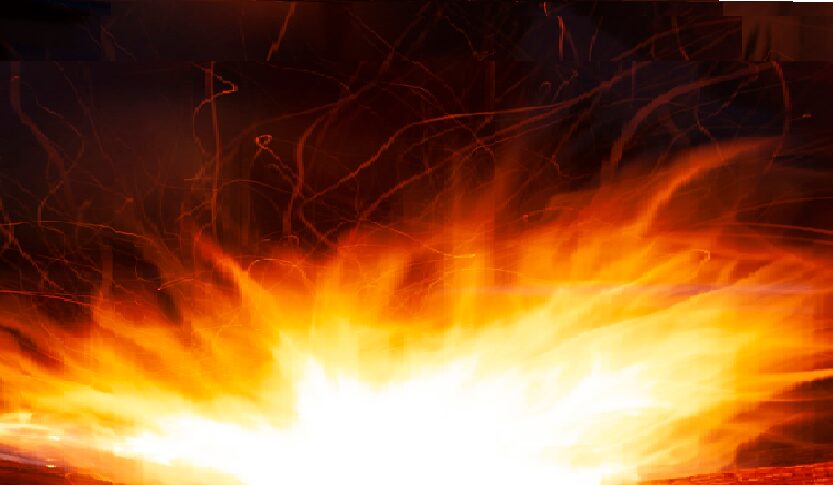
Small alcohol-fueled devices trap flammable vapors in tight spaces — a dangerous combination when refueled too soon.
These burns occur inches from the user, targeting visible, sensitive areas and leaving lifelong scars:
Many tabletop units share design problems that make accidents nearly inevitable:
Several of these issues have triggered product recalls. Federal regulators have warned consumers about unsafe tabletop models — see U.S. Consumer Product Safety Commission (CPSC) fire pit recalls for current alerts and corrective actions.
Tabletop fire pits using ethanol, alcohol, or gel fuels are marketed as harmless décor, yet their design defects make burn injuries almost unavoidable. Most fire pits units and fuel containers lack a lab tested flame arrestor, metal screen, or any device to control flashback or liquid-fuel flame jetting. Invisible flames produced by alcohol type products mislead users into thinking the fire is out, and refueling becomes a trap. These products are frequently sold for indoor use, placed at face height, and built with open containers that allow fuel to overfill, spill, puddle, or explode. No warning label can eliminate a hazard created by inherently unsafe engineering.
Common Defects That Lead to Tabletop Fire Pit Injuries
These failures show that most tabletop fire pits aren’t just poorly warned — they’re fundamentally dangerous products. When a device can flash, explode, or create invisible flames during ordinary use, manufacturers are responsible for the severe burns, scarring, and disfigurement that follow.
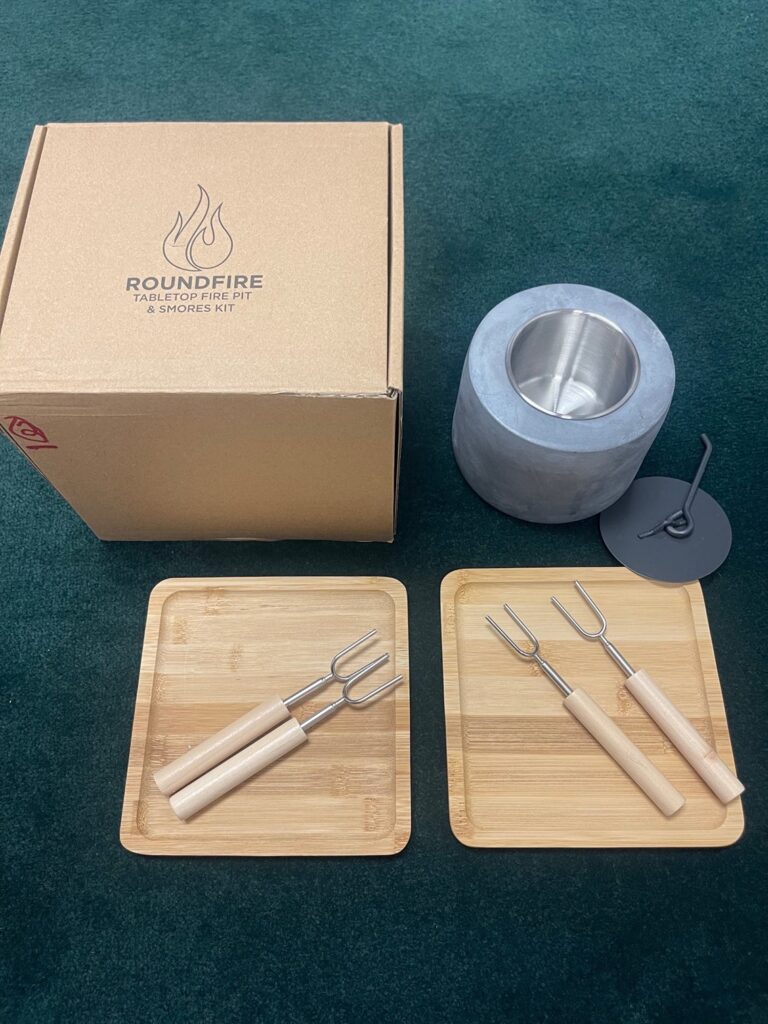
Evidence is the backbone of every case. Do not return or discard the product. Keep:
Our team issues spoliation letters to protect evidence and stop manufacturers from shifting blame.
Liability can extend across the entire chain of distribution:
If you or a loved one were burned by a tabletop alcohol fire pit:
 Attorney David P. Willis, a Board-Certified Personal Injury Trial Lawyer with 40+ years of experience handling complex burn and product-liability cases nationwide, leads every investigation. Our multi-state team preserves crucial evidence, secures top engineering and burn-injury experts, and pursues full compensation for medical costs, surgeries, scarring, and long-term damages.
You pay nothing unless we win — and we don’t take cases unless we plan to win them.

Copyright © 2025 All Rights Reserved.
FirePitLawsuits.com – National investigations of alcohol-fueled fire pit explosions and burn injuries. * Willis is Board Certified in Personal Injury Trial Law (since 1988), certified by the Texas Board of Legal Specialization.Representing injured clients nationwide through association with local attorneys in compliance with each state’s bar rules. Licensed in Texas and New York. Willis Law Firm, 5005 Riverway Drive, Suite 160, Houston, Tx. – Principal Place of Business – All meetings by appointment only.
Acknowledgment & Thank You – Certain Safety Images and Public-Education Materials, Alerts, and Warnings referenced on this site are courtesy of Health Canada and the CPSC.