

Fire Pit Burns & Explosions

Board-Certified Personal Injury Trial Lawyer

$100,000,000's Recovered for Clients

Why Fire Pits Catch Fire and Explode — and How Safer Designs Could Prevent It

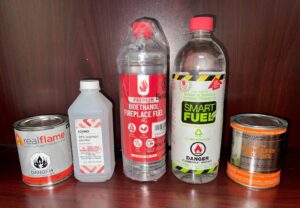
Different alcohol-based fuels shown side by side—rubbing alcohol, ethanol, bioethanol, and gel fuel cans—used in tabletop fire pitsAt the center of most fire pit accidents lies liquid alcohol fuel — often ethanol, isopropyl alcohol (rubbing alcohol), bioethanol, or methanol. These fuels release highly volatile vapors that can ignite even when no visible flame remains. The result can be a “flame jetting explosions” where trapped vapors ignite and shoot out like a blowtorch.

Common causes include:
The U.S. Consumer Product Safety Commission (CPSC) and Health Canada have issued multiple recalls and warnings about these exact dangers, linking dozens of severe burn injuries and fatalities to poorly designed tabletop fire pits.

Design Flaws That Make Fire Pits Dangerous

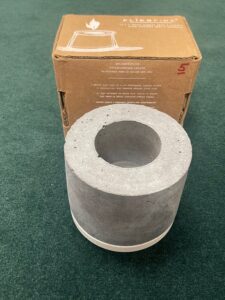
CPSC warning issued for FLIKR Flame tabletop fire pit after reports of flame jetting and injury accidentsWhile many companies market their products as “decorative” or “safe for indoor use,” the engineering often tells a different story.

1. No Flame Arrestor or Vapor Barrier

A flame arrestor is a small metal mesh device that prevents ignition from traveling backward into the fuel bottle. Many recalled fire pits completely lacked this safeguard, allowing an ethanol flash back and ignite the fuel supply.

2. Open Fuel Wells and Refill Ports

Open designs let vapors mix with oxygen and ignite violently. A safer design would use sealed fuel cartridges or one-way valves that prevent users from refilling the pit while it’s still hot.

3. Poor-Quality Materials

Low-cost models often use thin glass, cement / concrete, or acrylic, which can crack or burst when exposed to high temperatures. Shards of burning material can scatter, worsening the injury.

4. Inadequate Warnings

Small-print labels hidden under the base or printed in faint gray lettering are not adequate warnings. Manufacturers must display clear, visible, heat-resistant labels explaining refueling dangers, cooling times, and vapor ignition risks.
How Safer Designs Could Prevent Fire Pit Explosions

Many of these tragedies are preventable with simple engineering improvements and adherence to safety standards.

The ASTM F3363-19 voluntary standard establishes testing and labeling requirements for pourable-fuel fire pots. Unfortunately, not all manufacturers comply.

Key improvements that could drastically reduce injuries include:

1. Flame Arrestors or Check Valves
These inexpensive devices stop fire from traveling back into a fuel bottle — a critical safeguard ignored by many low-cost brands.

2. Sealed, Non-Refillable Fuel Canisters
Replace open fuel wells with pre-filled cartridges that prevent refueling until cooled, eliminating vapor ignition risk.

3. Automatic Temperature Shutoffs
Heat sensors can cut fuel flow once the fire pit exceeds safe operating temperatures.

4. Visible Flame Additives
Adding colorants to alcohol fuels prevent the issue of invisible flame hazards so users see when the flame is still burning, preventing mistaken refueling.

5. Tempered Glass and Heat-Resistant Materials
Durable construction prevents shattering and projectiles in case of flare-ups.

6. Mechanical Cooling Locks
A lid or interlock that prevents reopening or refilling until the unit is cool enough to touch could stop dozens of explosions annually.

These solutions have existed for years in similar consumer products such as camping stoves and fondue burners — yet many fire pit brands cut corners to save on cost.

Who’s Legally Responsible for Fire Pit Burns & Injuries

Filing a fire pit injury lawsuit with a Board-Certified lawyer after burns or explosion injuries

When a product causes serious injury, several parties may be legally accountable:

Victims can pursue product liability claims for compensation covering:

Why 40+ years of Complex Defect Cases Matter

Board-Certified Trial Lawyer David P. Willis—handling fire pit explosions, burn injuries, recalls, and lawsuits across the U.S."Fire pit explosion cases often require expert testing, accident reconstruction, and fuel analysis to prove the design defect. Attorney David P. Willis and his investigative team coordinate with engineers and burn specialists to:

Product Defect Attorney David P. Willis, a Board-Certified Personal Injury Trial Lawyer licensed in Texas and New York, has spent over 40 years handling complex product liability and gas, propane and butane explosion injury cases. A former attorney for the Supreme Court of Texas, Willis investigates how these devices fail, which design flaws cause the explosions, and how safer engineering could have prevented tragic injuries and deaths.

Willis has represented victims in catastrophic injuries, burns, explosions, and product defect cases for over 40 years, recovering hundreds of millions for clients nationwide. His firm handles both individual burn injury claims when consumers are harmed by the same defective design.

Take Action If You Were Injured

If you or a loved one suffered burns or disfigurement from a tabletop or alcohol fire pit, don’t wait. Evidence can degrade quickly, and manufacturers often alter product designs after recalls.

Call 1-800-447-FIRE or submit our secure form for a free, no-obligation case review.

GET IN TOUCH

CALL 24/7

GET A FREE CASE REVIEW