
Reviews 

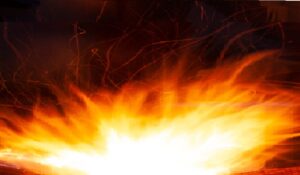 Ethanol and alcohol fire pit fuel is marketed as “clean burning” and “eco-friendly,” but for many unsuspecting consumers, it has proven to be dangerously unpredictable. When used in tabletop fire pits or pourable fuel burners, these fuels can ignite suddenly and explosively — creating a flashback ignition that sends a jet of fire shooting out from the container.
These violent events, known as flame jetting or flashback explosions, have caused hundreds of severe burn injuries across the United States. Victims have suffered second- and third-degree burns, permanent disfigurement, and lifelong trauma.
At FirePitLawsuits.com, Attorney David P. Willis investigates and pursues claims for victims burned by alcohol and ethanol-fueled explosions. A Board-Certified Personal Injury Trial Lawyer (Texas Board of Legal Specialization, since 1988) and former attorney for the Supreme Court of Texas, Mr. Willis has represented catastrophic burn victims, propane and butane gas explosions and defective product injury cases for over 40 years.
“Flashback ignition” occurs when fuel vapors ignite outside the intended burn chamber and the flame travels back into the fuel source. In an ethanol-fueled fire pit, this happens when a user pours new fuel into a burner that appears extinguished — but still contains invisible vapors or residual heat.
The result is instantaneous:
This dangerous chain reaction is well-documented by fire scientists, the CPSC, and ASTM. Despite the known hazard, many manufacturers continued to sell ethanol and gel-fuel devices without required flame arrestors or vapor barriers.

Ethanol burns with a nearly invisible blue flame, making it difficult to see when the fire is still active. Users often believe the flame is out, even as dangerous vapors continue to hover above the burner.
These properties make ethanol particularly hazardous in decorative tabletop fire pits, which often lack the engineering safeguards found in commercial or industrial burners.
According to data from the U.S. Consumer Product Safety Commission (CPSC) and ASTM F3363-19 safety standard studies:
In controlled tests, ethanol-based fuels ignited up to five feet away from the pour point. Without flame arrestors or safety valves, these explosions are unavoidable once vapors reach ignition temperature.
Recent CPSC recalls and safety alerts have confirmed the link between ethanol-fueled fire pits and severe flashback ignition burns. Among them:
These government actions confirm that flashback ignition is not user error — it’s a product design failure.
Patio Dinner Explosion – Wisconsin (2022)
A family refueling a small tabletop burner experienced an immediate blast that engulfed their deck in fire. The ethanol bottle acted like a blowtorch, burning two adults and a child. Hospital records described third-degree burns over 45% of one victim’s body.
Indoor Gel Fuel Fire – California (2021)
A decorative indoor “ventless fireplace” ignited vapors from a nearby ethanol container. The resulting flashback explosion set curtains ablaze, destroying the room and severely burning the homeowner’s hands and face.
Backyard Gathering – Texas (2023)
A guest attempting to refill an ethanol bowl during a party was struck by a sudden fireball. The flame jet traveled six feet and ignited nearby furniture, resulting in extensive second-degree burns.
Each of these incidents demonstrates the same failure: defective product design without flame containment or clear warnings.
Manufacturers could have easily prevented these explosions through low-cost design modifications such as:
Instead, many companies continued to advertise ethanol fire pits as “safe for indoor use” and “eco-friendly.” These misrepresentations directly contributed to burn injuries now documented in lawsuits and recalls nationwide.

Victims of ethanol explosions often suffer catastrophic harm, including:
In severe cases, victims endure years of surgery and emotional recovery, while families face overwhelming medical expenses.
Victims may pursue defective fire pit injury lawsuits under several legal theories, including:
Attorney David P. Willis and his legal partners review product evidence, medical documentation, and recall data to identify liability and recover full compensation for victims.
Injured victims may recover compensation for:
Settlements and verdicts in catastrophic burn cases often reach hundreds of thousands to millions of dollars, depending on the severity of injuries and corporate conduct.
 With over 40 years of experience, Attorney Willis has represented victims of catastrophic explosions, defective consumer products, and industrial fires. His expertise in engineering evidence, fire science, and national recall litigation provides an advantage for clients pursuing justice after ethanol-related explosions.
All cases are handled on a contingency-fee basis—you pay no fees unless compensation is recovered.
Ethanol fuels are often labeled “biofuel,” “clean-burning,” or “gel fuel.” If your fire pit uses pourable liquid alcohol, it poses the same ignition risks described here.
“Flame jetting” refers to the outward projection of fire. “Flashback ignition” describes the backward flame travel into the container — both cause the same type of explosion.
Yes. Many defective ethanol burners have never been recalled, but still share identical hazards. Liability is based on design defect, not recall status.
Yes. The CPSC Consumer Alert (Dec 2024) and multiple 2025 recalls officially warn of these exact dangers.
Seek emergency medical care, preserve all evidence (including the fuel container and fire pit), and contact an experienced burn attorney immediately.
If you or a loved one were burned in an ethanol or alcohol-fueled fire pit explosion, you may have a claim for substantial compensation. These explosions are not accidents — they are the predictable result of unsafe design and inadequate warnings.
Free Consultation — No Fees Unless We Win
Nationwide Representation through local-counsel partnerships

Copyright © 2025 All Rights Reserved.
FirePitLawsuits.com – National investigations of alcohol-fueled fire pit explosions and burn injuries. * Willis is Board Certified in Personal Injury Trial Law (since 1988), certified by the Texas Board of Legal Specialization.Representing injured clients nationwide through association with local attorneys in compliance with each state’s bar rules. Licensed in Texas and New York. Willis Law Firm, 5005 Riverway Drive, Suite 160, Houston, Tx. – Principal Place of Business – All meetings by appointment only.
Acknowledgment & Thank You – Certain Safety Images and Public-Education Materials, Alerts, and Warnings referenced on this site are courtesy of Health Canada and the CPSC.