
Reviews 

Board-Certified Trial Lawyer | 40+ Years of Experience | Licensed in Texas & New York
Alcohol-fueled fire pits—especially tabletop “mini fire bowls,” bio-ethanol burners, and pourable gel-fuel devices—have caused some of the most severe burn injuries in the United States and Canada. Many were sold without flame arrestors, splash guards, child-safe fuel bottles, stable bases, or clear warnings. With invisible flames and explosive refueling hazards, these products can erupt without warning in a matter of seconds, turning a quiet gathering into a life-changing tragedy.
At FirePitLawsuits.com, our mission is simple: protect families, expose dangerous products, and help burn victims recover compensation for medical bills, skin grafts, long-term scarring, and permanent disfigurement. Led by David P. Willis, a Board-Certified Personal Injury Trial Lawyer, certified by the Texas Board of Legal Specialization since 1988, our firm has recovered hundreds of millions for injured clients nationwide. He is licensed in Texas and New York and regularly work with co-counsel nationwide for out-of-state cases.
This fire pit burns and explosion website guides victims, families, and consumers through the major dangers, current recalls, injury types, lawsuit options, and safety steps every fire pit user must understand. Powerful internal links appear naturally throughout—no clutter, no “link stacks,” just clear paths to the information that matters.
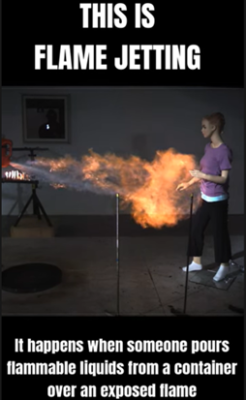
Most people imagine a fire pit as a relaxing patio centerpiece. But certain mini-fire pits, tabletop fire pits and pourable-fuel devices behave more like volatile laboratory burners. The flame can be nearly invisible. The fuel can ignite before you even notice heat. And refueling—even a few minutes after the flame looks “out”—can trigger a violent jet of fire that shoots burning alcohol several feet.
This is known as flame jetting, a phenomenon repeatedly condemned in warnings from the U.S. Consumer Product Safety Commission (CPSC) and Health Canada. Many devices lack even the most basic safety engineering. As a result, victims suffer:
To help consumers understand these defects, we created a dedicated page discussing Fire Pit Accidents to better explain the dangers.
Tabletop fire pits look safe—small, decorative, stylish, fun, and marketed as “eco-friendly.” But beneath that friendly marketing lies a dangerous combination: pourable fuel + open flame + invisible burn levels. Tabletop fire pits burns and injuries can be catastrophic and life changing.
Many tabletop models:
Federal regulators have identified these devices as a top cause of catastrophic home burn injuries. If you were burned by a tabletop fire pit, you may file tabletop fire pit injury lawsuit for your injuries and losses
Isopropyl and ethanol flames burn so cleanly that they can be practically invisible in daylight or indoor lighting. Many victims believed their fire pit was fully extinguished—only to have fuel explode back into their face or chest the moment they attempted to refill it.
This is the signature failure regulators warn about: “Injury in less than one second.”
To protect consumers, we maintain a complete library of fire pit recall and hazard alerts.


Federal agencies continue to release urgent warnings about unstable fire pits, defective fuel bottles, and explosive tabletop burners. Consumers should be aware of:
These dangerous devices continue to circulate through online marketplaces, classified ads, Craigslist, eBay, resale platforms, garage sales and discount stores despite federal safety concerns. Consumers should always stop using recalled units immediately and dispose of them safely.
Fire pit burn injuries from alcohol fire pits are unique—and often far worse than typical flame injuries. Burning gel sticks to skin. Alcohol spreads fast. Flames rise vertically. And victims are often hit in areas where scar tissue causes lifelong trauma: the face, hands, chest, neck, and arms.
Our injury resource center explains:
Fire pit explosion lawsuits typically involve multiple liable parties. These products often come from overseas factories, are rebranded in the U.S., and are sold through massive retail chains. Liability may include:
A single defective fire pit can involve 7–10 potential defendants, which increases the chance of full recovery. Our website has what you need to know about preservation of the accident scene evidence and filing a fire pit injury lawsuit,
Pourable alcohol fuels are among the most dangerous consumer products sold today. Even when the flame appears gone, vapors remain in the air and inside the fuel container. The instant the liquid stream enters that vapor pocket, the flame can shoot back into the bottle, causing:
Many victims of alcohol fire pit burns & injuries suffer lifelong injuries. Holding retailers and manufacturers accountable is essential—not just for compensation, but for public safety.
Amazon, Walmart, Five Below, Wayfair, Temu, and smaller online retailers and marketplaces have all sold alcohol-fueled tabletop fire pits that later:
Even when they claim to be “just a platform,” they can be held responsible under product liability law.

One of the most important public-safety messages is this:
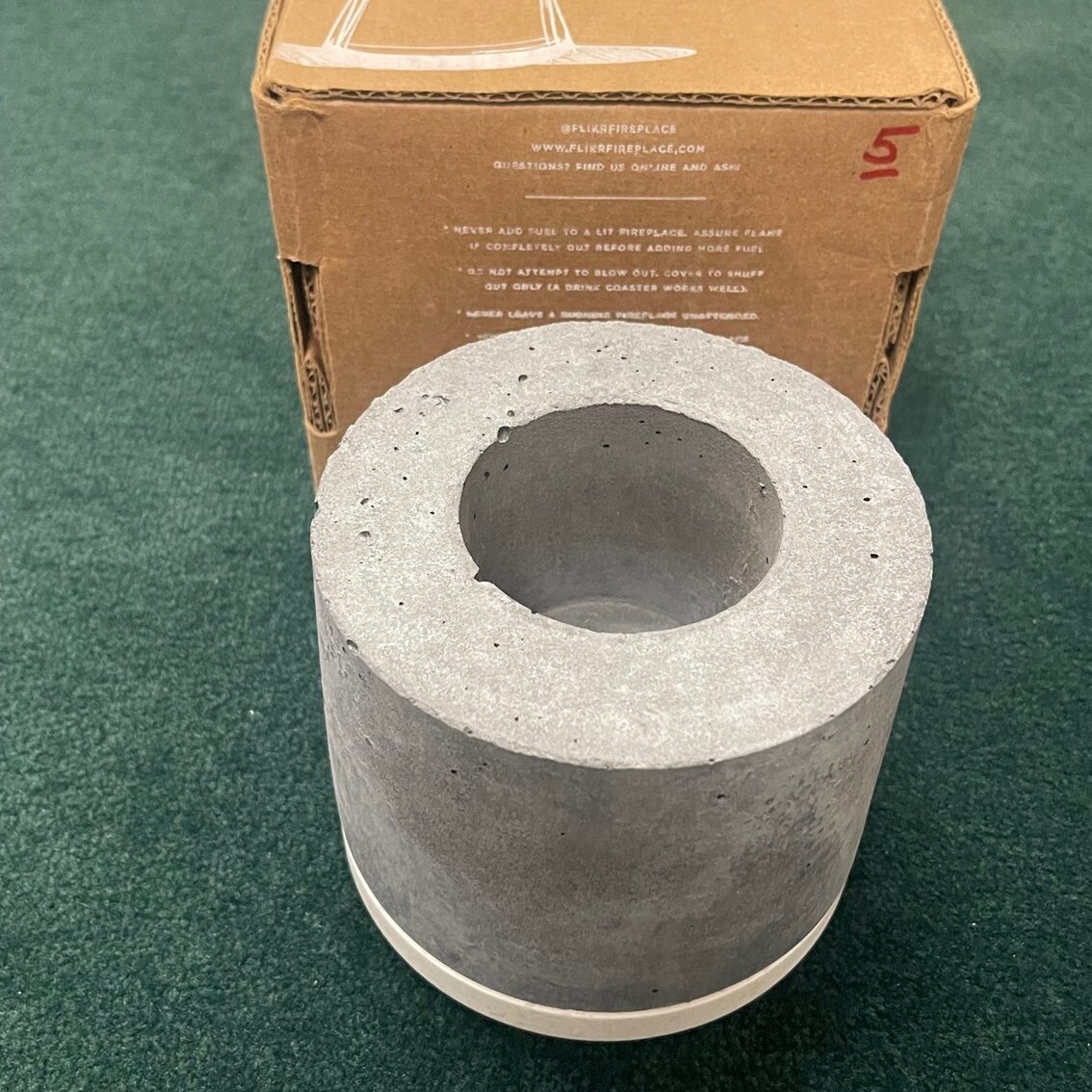
Do NOT give away, donate, or resell a recalled fire pit.
Federal agencies recommend:
If you are unable to destroy or make the fire pit unusable, after it has cooled down, take it and the fuel to your local fire station to assist in rendering the product incapable of further use.
Not all fire pits are defective—but many types sold have not been properly tested and violate the ASTM F3363-13 fire safety standard and are too dangerous to even test o use under any circumstances. Our fire pit “safety” section discusses the dangers of the use of these products and the reason to stop using them and return to the seller or at the very least, destroy it before someone is injured or killed.
Flame jetting happens when hidden vapors ignite during refueling, sending a violent burst of fire outward. Invisible flames, hot fuel chambers, and missing flame-arrestor technology make these devices extremely hazardous.
Yes. A recall is not required. If a defective design, missing safety feature, or poor warning caused your burn injury, you still have a strong product liability claim.
Keeping the fire pit helps, but it isn’t required. Photos, packaging, receipts, fuel bottles, serial numbers, or witness evidence often allow attorneys to identify the exact dangerous product.
Invisible flames are common with ethanol and isopropyl fuel. A fire pit may appear extinguished yet still contain hot vapors, causing explosions or flash fires when refueled.
Manufacturers, importers, retailers, online sellers, distributors, and fuel companies may share responsibility. Many tabletop fire pits involve multiple negligent parties due to poor design and inadequate warnings.
You pay nothing upfront. Fire pit injury cases are handled on contingency, meaning legal fees are only owed if the law firm wins compensation for your burn injuries.
Save the fire pit, fuel bottles, receipts, photos, videos, medical records, and packaging. Even damaged or melted pieces can prove the unit matches a recalled or defective model.
Deadlines vary by state, typically one to three years, though several states are more,. Some cases allow extended filing time if victims were children or the defect wasn’t immediately discoverable. Don’t guess, call an attorney soon.
Victims often suffer third-degree burns, facial disfigurement, hand injuries, clothing ignition, airway damage, and permanent scarring due to burning gel sticking to skin and spreading.
Yes. Children are often closer to tabletop flames, have thinner skin, and may not recognize invisible flames. Pediatric burn injuries often require long-term treatment, grafting, multiple surgeries and psychological care.
Yes. When several people are burned in a single explosion, attorneys frequently file individual lawsuit and bring one or more into the same lawsuit that may be grouped or coordinated depending on the facts and product type. This is not a class action. Each person’s personal injuries are their own. No sharing of recoveries, though sharing of costs is often a big plus.
Seek medical treatment, photograph injuries, preserve the fire pit and fuel, document the scene, and avoid returning the product to the seller. Then contact an experienced burn lawyer.
Yes. Retailers like Amazon, Walmart, and Five Below can be liable when selling defective or recalled fire pits. Courts increasingly treat online marketplaces as responsible product sellers.
Hot vapors remain inside the burner even after flames look gone. Pouring fresh fuel creates a vapor pathway that ignites instantly, causing a sudden jet or fireball.
Even generic or foreign-made units can be traced through packaging, photographs, or sales records. Many inexpensive models are linked to known safety defects and recall-level hazards. Even if the product is foreign made or maker is bankrupt or out of business, we can still pursue a fire pit injury lawsuit against retailers, big box stores, online marketers, fuel and gel manufacturers and others.
Do not destroy potential evidence. You may disable it for safety, but keep all parts, including melted pieces, fuel bottles, lids, and packaging. Evidence is crucial.
Victims may recover medical expenses, surgeries, grafting costs, scarring compensation, pain and suffering, lost income, future care, and damages for permanent disfigurement or emotional trauma. In some cases, punitive damages may be recovered.
Yes. Many products are advertised for “indoor or outdoor use” and fail to warn about invisible flames or refueling hazards. Unsafe marketing can increase manufacturer liability.
Often yes. Burning gel sticks to skin and fabric, causing deeper burns and larger injury areas. Gel-fuel products have been linked to numerous severe and high-profile burn incidents.
You may still have a case, though a bit tougher initially to prove. Photos, medical records, witness statements, and fuel containers help identify the product. Attorneys can often trace the model through your purchase history, online pictures, witness statements and scene photos. Call us to talk.

Board-Certified Trial Lawyer Since 1988
Experience in Fire & Explosion Litigation
Burn injury cases are some of the most medically complex, emotionally devastating, and legally challenging cases in personal injury law. Experience matters—especially when you’re facing multinational retailers and manufacturers.
Willis brings:
For more than 40 years, David P. Willis has investigated some of the most complex explosion and burn injury cases in the country. His work spans nearly every major fuel type—butane & propane vessel explosions, chemical plant explosions / death, gasoline tank explosion / death, natural gas fires / child burns, and other volatile compounds—each tied to a preventable engineering or safety failure. Willis has repeatedly uncovered the same root cause across countless investigations: a small design or money saving shortcut or missing safety device that leads to catastrophic, life-altering injuries.
His experience includes groundbreaking litigation involving butane and propane tire-inflator explosions, where consumers and repair technicians suffered devastating burns, traumatic amputations, and blindness when aerosol sealants ignited. After extensive testing including of controlled tire and canister explosions. Willis forced numerous major manufacturers to stop making their current dangerous products and change their formulas, making future versions far safer for the public.
In another case of the Willis Law Firm was featured on CNN. It was about an Iowa woman that burned to death when the family pickup truck suddenly burst into flames in the middle of the night catching the house on fire. Sadly, she was unable to escape the burning house and died. Her tragic death and the critical evidence discovered in this case along with in our wrongful death liability suit, help lead to a NHTSA recall of over 9 million vehicles made by Ford.
Willis has handled butane, propane, and natural gas fire cases, including water-heater flash fires caused by leaks or missing flame arrestors that resulted in second- and third-degree burns to a child, as well as gasoline fuel-tank rupture explosions causing catastrophic burns and fatal injuries days later. He has also litigated butane- and propane-related fires and explosions involving vehicles, tires, and RVs in both industrial and residential settings, including cases with multiple fatalities.
In every case, the pattern is the same: companies putting cost savings over consumer safety—and Willis holding them accountable.
If you or a loved one suffered burns from a fire pit explosion, invisible flame ignition, flame jetting or alcohol-fuel flashback, contact us today. You pay no fees unless we win.
Call Us 24/7 at 1-800-447-FIRE or Fill Out Our Online Free Case Review Form

Copyright © 2025 All Rights Reserved.
FirePitLawsuits.com – National investigations of alcohol-fueled fire pit explosions and burn injuries. * Willis is Board Certified in Personal Injury Trial Law (since 1988), certified by the Texas Board of Legal Specialization.Representing injured clients nationwide through association with local attorneys in compliance with each state’s bar rules. Licensed in Texas and New York. Willis Law Firm, 5005 Riverway Drive, Suite 160, Houston, Tx. – Principal Place of Business – All meetings by appointment only.
Acknowledgment & Thank You – Certain Safety Images and Public-Education Materials, Alerts, and Warnings referenced on this site are courtesy of Health Canada and the CPSC.